Beyond Clicks and Likes: How Digital Marketing Builds Real Business Growth
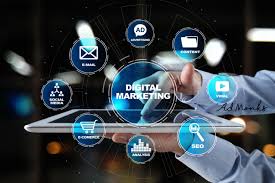
Digital marketing has become one of the most powerful tools for businesses in the modern world. It is no longer limited to posting on social media or running paid advertisements. Today, digital marketing is a complete ecosystem that helps brands attract the right audience, build credibility, and achieve long-term business growth. Companies that truly understand digital marketing do not focus only on numbers such as clicks or impressions; instead, they focus on creating meaningful digital experiences that convert users into loyal customers.
At its core, digital marketing is about communication. It enables businesses to connect with people at every stage of the customer journey—from awareness and consideration to decision-making and retention. By using data, technology, and creativity together, digital marketing creates personalized interactions that traditional marketing methods simply cannot match.
The Shift from Traditional to Digital Marketing
Traditional marketing relied heavily on one-way communication through television, radio, print ads, and billboards. While these methods helped build brand awareness, they lacked personalization and accurate performance measurement. Digital marketing changed this by introducing two-way communication and real-time analytics.
With digital channels, businesses can now interact directly with their audience, respond to feedback, and adjust strategies instantly. This shift has empowered brands to make informed decisions based on user behavior rather than assumptions. As a result, digital marketing has become more efficient, cost-effective, and result-oriented.
Understanding Audience Behavior in the Digital Age
One of the greatest strengths of digital marketing is its ability to understand audience behavior. Every action taken by a user—searching on Google, clicking a link, watching a video, or signing up for a newsletter—provides valuable insights. These insights help businesses identify customer preferences, pain points, and buying patterns.
Successful digital marketing strategies are built on this understanding. Instead of promoting products randomly, brands can create targeted campaigns that address specific user needs. This customer-centric approach leads to higher engagement, better conversion rates, and stronger brand loyalty.
Content Marketing: Educating Before Selling
Content marketing plays a vital role in digital marketing success. In today’s information-driven world, users prefer brands that educate and guide them rather than those that aggressively sell. High-quality content helps businesses position themselves as industry experts.
Blogs, articles, videos, case studies, and infographics allow brands to share valuable information with their audience. Well-researched and well-written content answers user questions, builds trust, and improves search engine visibility. Over time, this consistent value delivery strengthens brand authority and encourages users to take action.
SEO: Building Visibility Through Value
Search Engine Optimization (SEO) is a long-term digital marketing strategy focused on improving website visibility in search engines. Modern SEO is not about keyword stuffing or shortcuts. Instead, it focuses on providing the best possible user experience.
Search engines prioritize websites that are fast, mobile-friendly, secure, and rich in relevant content. By understanding search intent, businesses can create content that matches what users are actually looking for. This approach results in higher-quality traffic and improved conversion rates. Local SEO further helps businesses attract customers from specific geographic areas, making it especially valuable for service-based companies.
Social Media Marketing: Creating Brand Identity
Social media platforms have become essential tools for building brand identity and customer relationships. Instead of using social media only for promotions, successful brands use it to tell their story. Behind-the-scenes content, customer testimonials, educational posts, and interactive polls help brands connect with their audience on a personal level.
Consistency and authenticity are key factors in social media success. A strong brand voice, regular engagement, and meaningful interactions help businesses stay relevant. Paid social media campaigns further enhance reach by targeting specific demographics, interests, and behaviors.
Paid Advertising: Precision and Performance
Paid digital advertising offers businesses the ability to reach their audience instantly. Platforms such as Google Ads and social media advertising allow precise targeting based on user intent, location, and behavior. However, successful paid campaigns require strategy and continuous optimization.
Effective digital marketers focus on clear messaging, compelling visuals, and optimized landing pages. By analyzing performance data, they refine campaigns to improve return on investment. When combined with organic strategies like SEO and content marketing, paid advertising becomes even more powerful.
Email Marketing: Building Long-Term Relationships
Email marketing remains one of the most effective digital marketing channels. It allows businesses to communicate directly with users who have already shown interest in their brand. Personalized emails, automated workflows, and segmented lists ensure that users receive relevant content at the right time.
From welcome emails and newsletters to promotional offers and follow-ups, email marketing helps nurture leads and retain customers. When used correctly, it strengthens customer relationships and encourages repeat business.
The Role of Data and Analytics
Data is the backbone of digital marketing. Tools such as Google Analytics and Search Console provide insights into user behavior, traffic sources, and campaign performance. These insights help businesses identify strengths, weaknesses, and opportunities.
By tracking key performance indicators, marketers can make data-driven decisions and continuously improve their strategies. This ability to measure and optimize makes digital marketing far more effective than traditional methods.
The Future of Digital Marketing
The future of digital marketing lies in personalization, automation, and innovation. Artificial intelligence, voice search, and advanced analytics are transforming how brands interact with audiences. However, despite technological advancements, authenticity and value will always remain essential.
Brands that focus on user experience, transparency, and long-term relationships will continue to succeed. Digital marketing is not just a promotional tool—it is a strategic investment in business growth.
Conclusion
Digital marketing has reshaped the way businesses operate in the modern world. By combining creativity, technology, and data, it enables brands to connect with audiences in meaningful ways. Beyond clicks and likes, digital marketing builds trust, drives engagement, and delivers sustainable growth. Businesses that embrace this approach position themselves for long-term success in an ever-evolving digital landscape.
